Boiler repair in Bridgeport for cold radiators, leaks and lockouts
We diagnose and repair gas and oil boilers, steam and hot water.
When a Bridgeport boiler stops heating, the cause is usually one of four things: a burner or ignition fault, low water or low pressure, a failed circulator or zone valve, or air in the lines. We answer around the clock, test the boiler before replacing anything, and carry common circulators, zone valves and relief valves on the van.
Updated October 2026
Signs your boiler needs service now
Pressure over 25 psi
A climbing gauge usually means a failed expansion tank or fill valve.
Relief valve dripping
The boiler is venting pressure and the cause needs finding.
Banging or gurgling pipes
Air or water hammer in the system, common in steam.
Boiler short cycling
Firing for a minute and shutting off points to low water or a control fault.
Water under the boiler
Any puddle should be traced before it gets worse.
What happens on a boiler repair call
- 1
Call any hour
We ask what the radiators and the boiler are doing and whether there is a leak or gas smell.
- 2
Arrive and look
We read the pressure, the water level and any fault codes first.
- 3
Test the burner
Ignition, flame and combustion are checked on gas or oil.
- 4
Test distribution
Circulator, zone valves and air in the lines are checked.
- 5
Price the fix
You get the repair cost before work starts.
- 6
Repair and purge
The part is replaced and air is bled from the system.
- 7
Run a full cycle
We watch pressure and temperature through a heating cycle before leaving.
How we find out why the boiler quit
No heat can mean a burner that will not light, a boiler firing but not moving water, or a system full of air.
We check the burner, water level or pressure, circulator, zone valves and controls, in that order.
No Heat or Cold Radiators
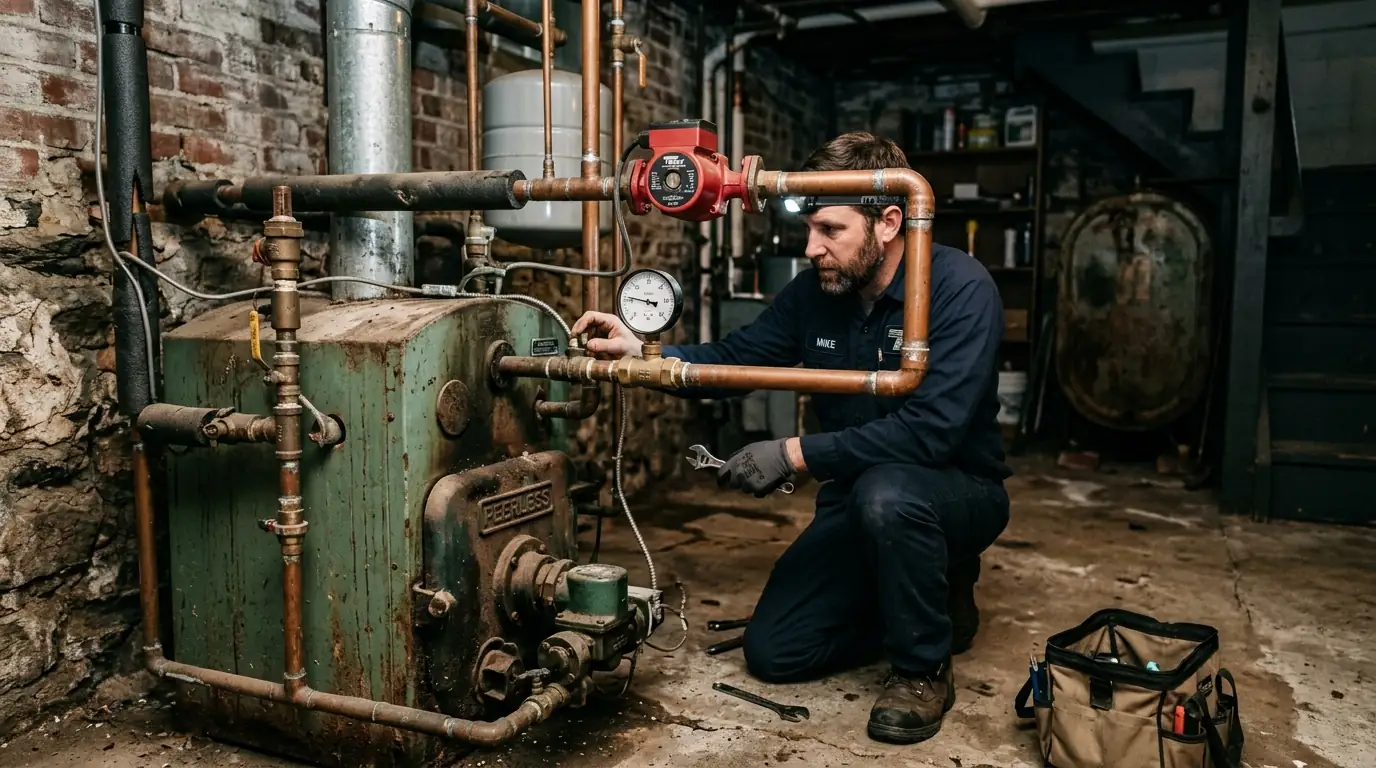
No heat anywhere usually means the boiler is not firing: a failed ignitor, a lockout from a flame fault, or on oil equipment a clogged nozzle or filter. Heat in some rooms but not others points to the distribution side, most often air trapped in the high radiators, a stuck zone valve, or a circulator that hums but does not turn. Radiators warm at the bottom and cold at the top need bleeding. We sort out which it is with the boiler running rather than guessing from the thermostat.
Boiler Leaking Water
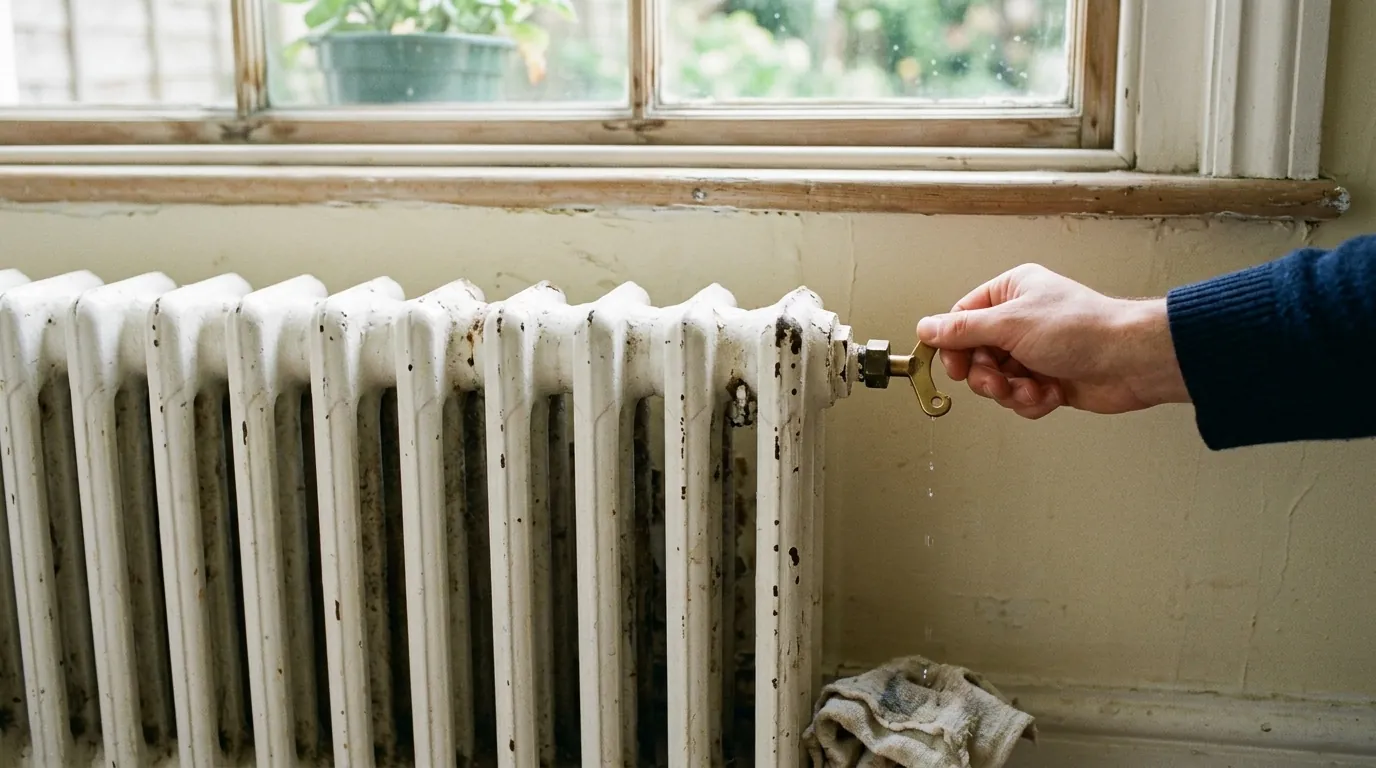
Water under a boiler can come from the relief valve, a leaking circulator flange, a failed fitting or, worst case, a cracked section or heat exchanger. A relief valve that drips is often a symptom rather than the problem: the system pressure is climbing because the expansion tank has failed or the fill valve is overfeeding. We find the source before replacing the part that happens to be wet. A cracked cast iron section usually means replacement, and we will say so plainly.
Low Pressure and Expansion Tank Faults
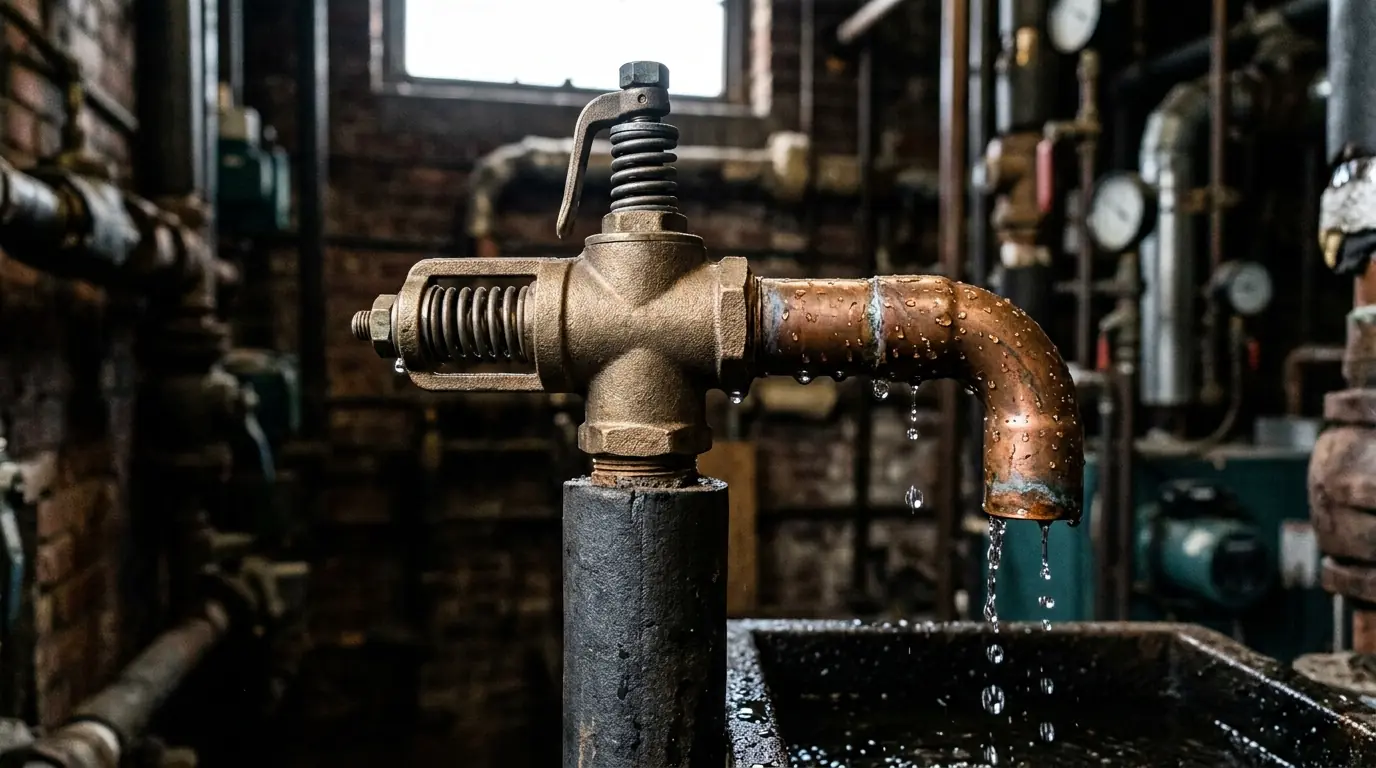
A hot-water boiler normally runs at 12 to 15 psi cold. Too low and the upper floors go cold and the boiler can short cycle; too high and the relief valve opens. The cause is usually a waterlogged expansion tank, a failing pressure-reducing fill valve or a slow leak somewhere in the system. We test the tank's air charge, check the fill valve, and replace whichever has failed so the pressure holds steady through a full heating cycle rather than drifting overnight.
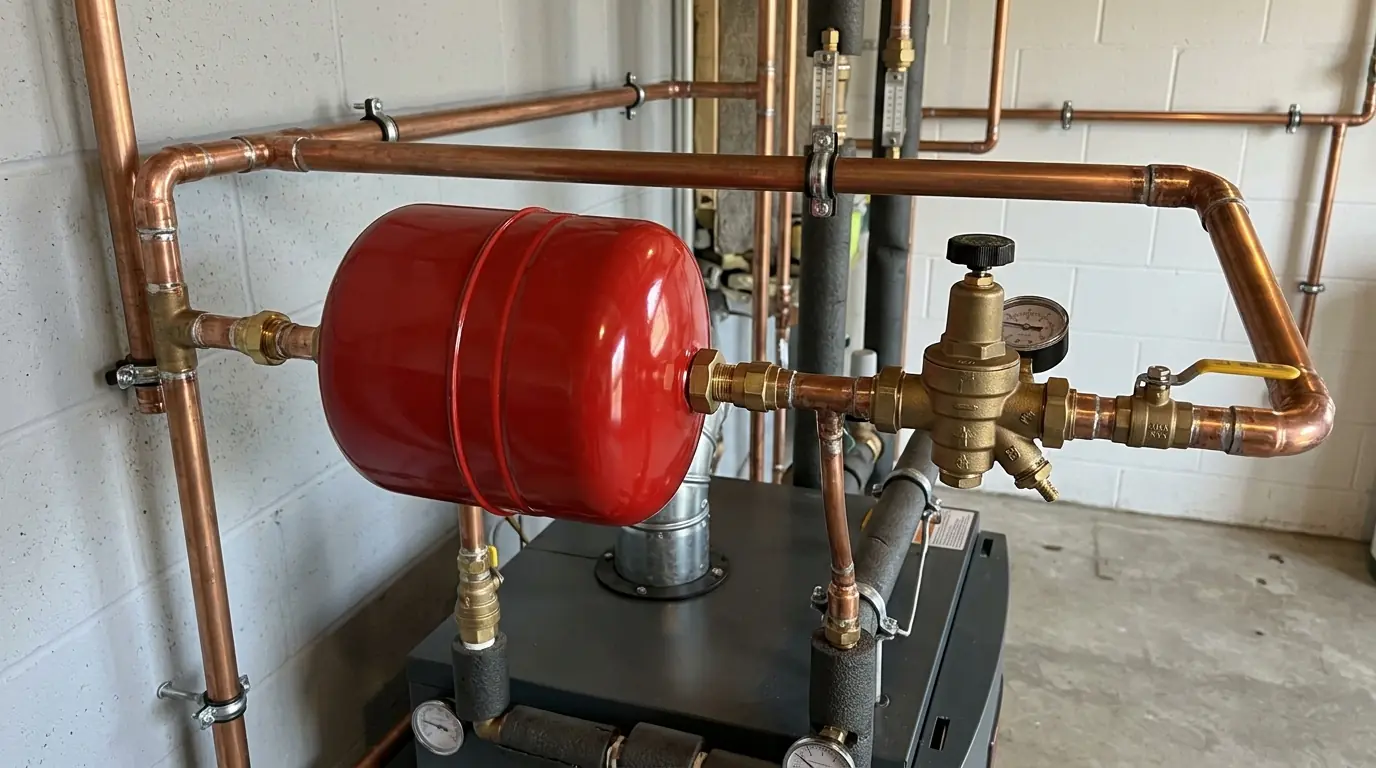
Circulator Pump and Zone Valve Replacement
The circulator moves hot water from the boiler to the radiators, and zone valves decide which floors get it. A seized circulator leaves the boiler hot and the house cold. A stuck zone valve leaves one floor cold while the others are fine. Both are common after a boiler sits idle all summer. We carry the usual replacement circulators and zone valve heads, so most of these repairs finish on the first visit, and we purge the air out of the loop after.
How this job plays out in Bridgeport
About 35 percent of Bridgeport's housing predates 1940, and a large share of it still heats with cast iron radiators off a steam or hot-water boiler. With January lows around 27 degrees, a boiler that fails overnight in one of those houses can drop the temperature fast, and radiator pipes along outside walls are the first to be at risk. That is why we treat no-heat boiler calls in cold weather as the ones to reach first.
We service and install Carrier, Lennox, Trane, Goodman and more
What you can check before calling
Look at the pressure gauge. On a hot-water boiler, 12 to 15 psi cold is normal. On a steam boiler, check that water is visible in the sight glass. Also confirm the thermostat is calling and the boiler switch is on.
Bleeding a single cold radiator with a key is a reasonable homeowner job on a hot-water system. Do not add water to a hot steam boiler with a low sight glass, and do not reset an oil burner more than once.
What changes the cost of a boiler repair
The failed part
A zone valve head or ignitor costs far less than a circulator or gas valve.
Steam or hot water
Steam controls and low-water cutoffs differ from hot-water parts.
Gas or oil
Oil burners add nozzle, filter and pump work.
Draining and refilling
Replacing wet-side parts means draining, refilling and purging air.
After-hours timing
Overnight and holiday calls can carry a different visit rate.
Age and parts availability
Older boilers may need parts that are harder to find.
Boiler Repair questions from Bridgeport homeowners
Usually air in the cold radiators, a stuck zone valve or a weak circulator.
It is doing its job by releasing pressure. The real problem is why pressure is high, usually the expansion tank.
Leaks from valves, pumps and fittings can be fixed. A cracked cast iron section usually means replacement.
Yes. Low-water cutoffs, auto feeders, sight glasses and main vents are regular repairs for us.
Calls are answered 24/7, and no-heat calls in cold weather are dispatched first when the schedule allows.
A sound boiler with a failed part is worth repairing. A cracked section or repeated failures usually point to replacement.
Related jobs we handle
Heat Pump & Mini Split Repair
Icing, drain leaks, error codes and reversing valves.
More on heat pump & mini split repairThermostat & Control Repair
Blank thermostats, wiring faults and zone control boards.
More on thermostat & control repair24/7 Emergency HVAC Repair
No heat, no cooling, gas smell or CO alarm. Answered any hour.
24/7 Emergency HVAC Repair in BridgeportGet the radiators warm again
Call any hour and tell us what the boiler and the pressure gauge are doing, and you get a time on the call.