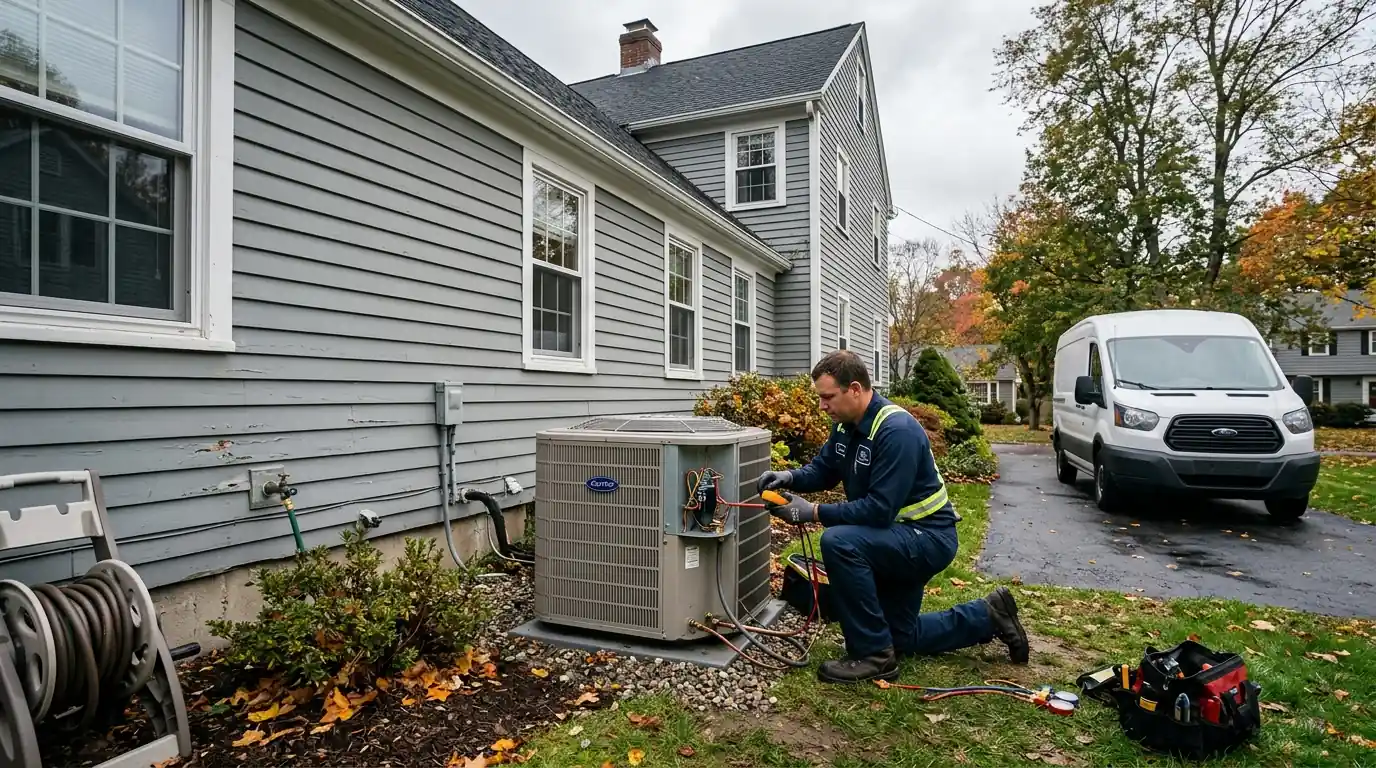
ERV and HRV ventilation for tight Bridgeport homes
Balanced ventilation that swaps stale indoor air for filtered outdoor air while recovering most of the heat or cooling, so fresh air does not cost a fortune.
An ERV (energy recovery ventilator) or HRV (heat recovery ventilator) exchanges indoor and outdoor air through a core that transfers heat, and in an ERV some moisture, between the two streams. In Bridgeport homes that have been air-sealed or renovated, it provides steady fresh air without the heating and cooling loss of simply opening windows.
Updated October 2026
Why tight houses need planned ventilation
Air sealing and new windows make a house more comfortable and cheaper to heat, but they also cut the accidental ventilation older houses got through their gaps. Moisture from showers and cooking lingers, odors hang around, and indoor air can feel stale.
An ERV or HRV fixes that deliberately. It runs quietly, brings in a measured amount of filtered outdoor air, exhausts the same amount of stale air, and recovers most of the energy in the outgoing air through its core.
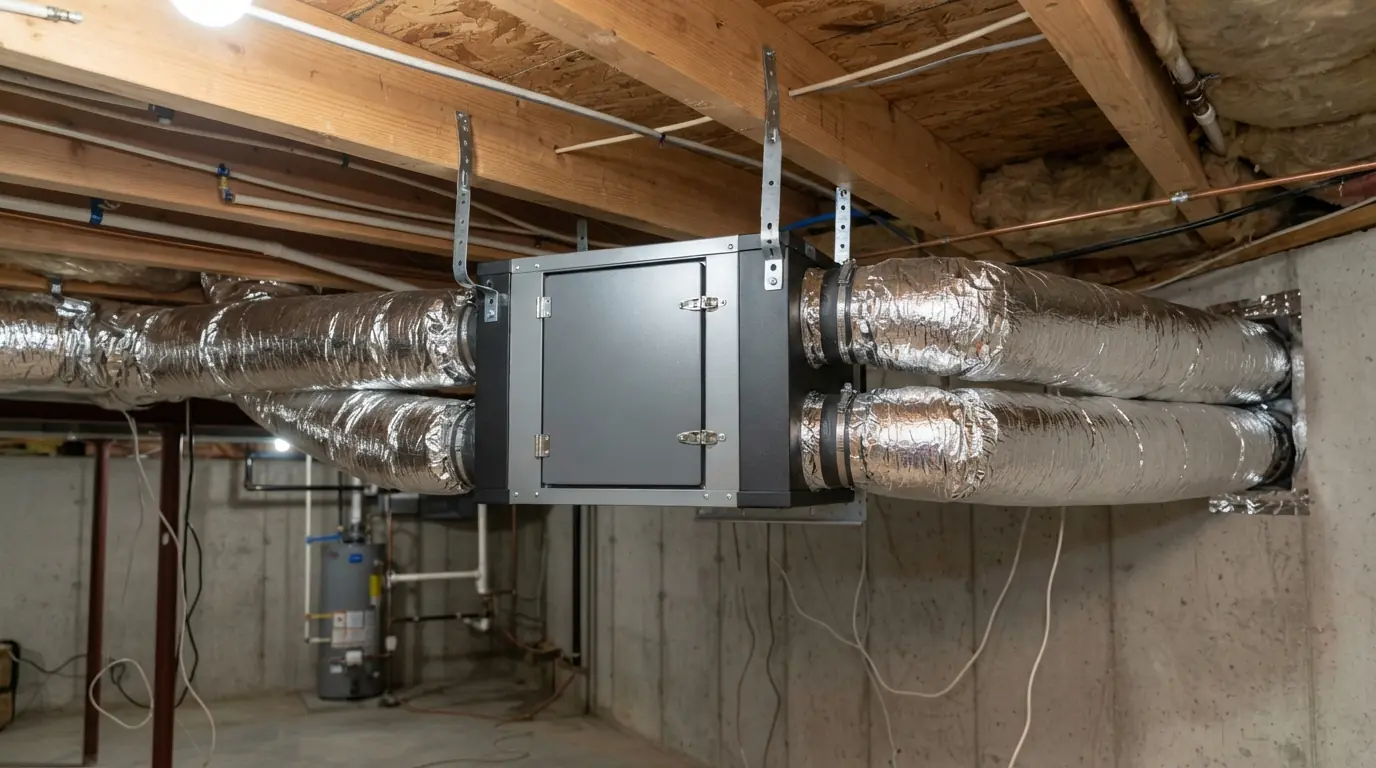
What changes the cost of an ERV or HRV
ERV or HRV
The core type and capacity.
Dedicated or shared ducts
Standalone duct runs cost more than tying into existing ducts.
Number of pickups
Bathroom and kitchen exhaust points added.
Wall penetrations
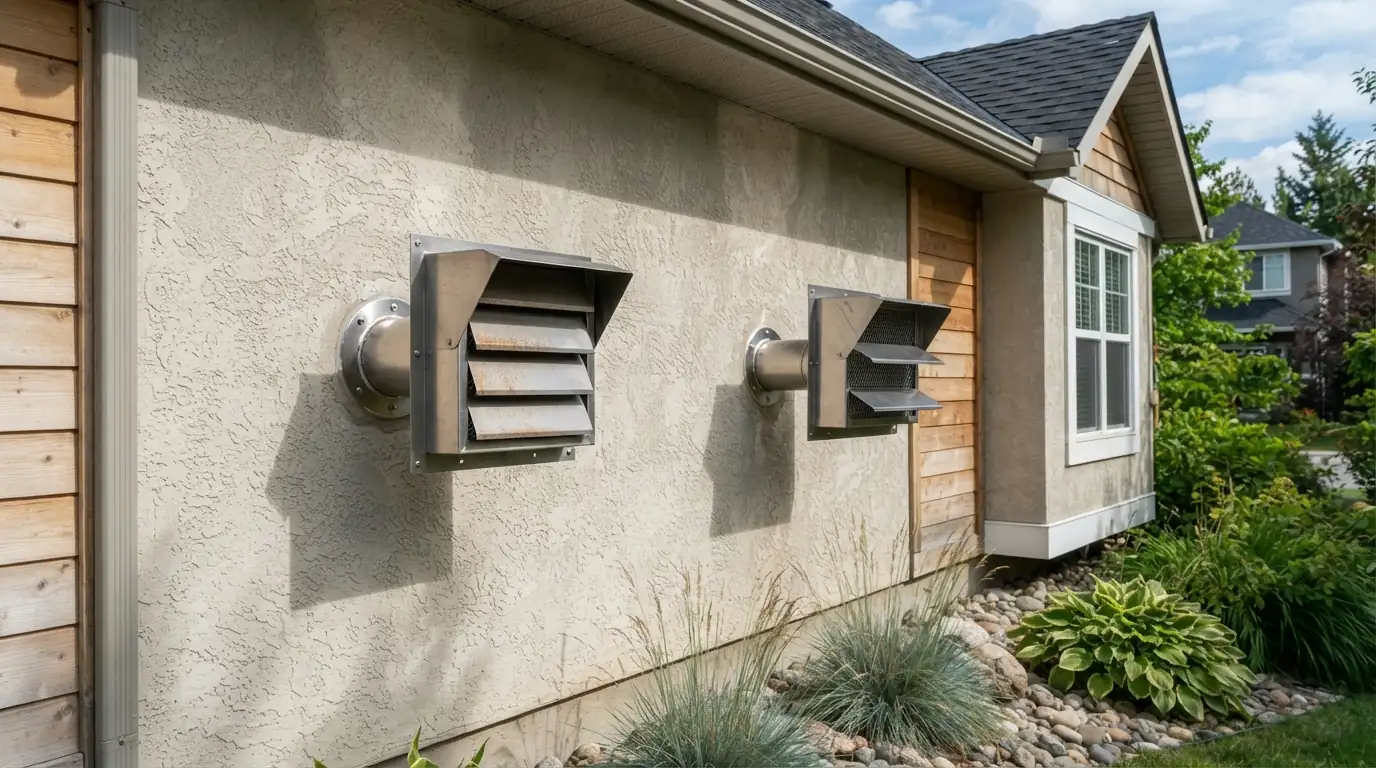
Supply and exhaust hoods on the exterior.
Controls
Timers, humidity controls or smart controls.
Electrical
Power for the unit and controls.
What an ERV or HRV installation includes
- Ventilation needs assessment
- ERV or HRV sized to the house
- Insulated supply and exhaust ducts
- Exterior intake and exhaust hoods
- Bathroom and living area pickups and supplies
- Filters on both air streams
- Control setup
- Measured airflow balancing
- Maintenance walk-through
ERV or HRV for your house
| Type | Good fit when | Notes |
|---|---|---|
| ERV | Humid summers and dry winters, as in coastal Connecticut | Transfers some moisture as well as heat |
| HRV | Houses with high indoor moisture in winter | Transfers heat only; helps dry the house |
| Exhaust fans only | Minor ventilation needs | Unbalanced; draws replacement air from leaks |
Balanced Ventilation for Tight Homes
Bathroom fans and kitchen hoods exhaust air but do not supply any; the replacement air leaks in wherever it can. A balanced ventilator does both: equal supply and exhaust, so the house is not pulled into negative pressure, which can backdraft chimneys and pull in basement or garage air. We size the ventilator to the house and its occupancy, then set the airflow with instruments so supply and exhaust actually match. The fan speeds are recorded so they can be checked at the next service visit.
Bathroom and Kitchen Exhaust Tie-Ins
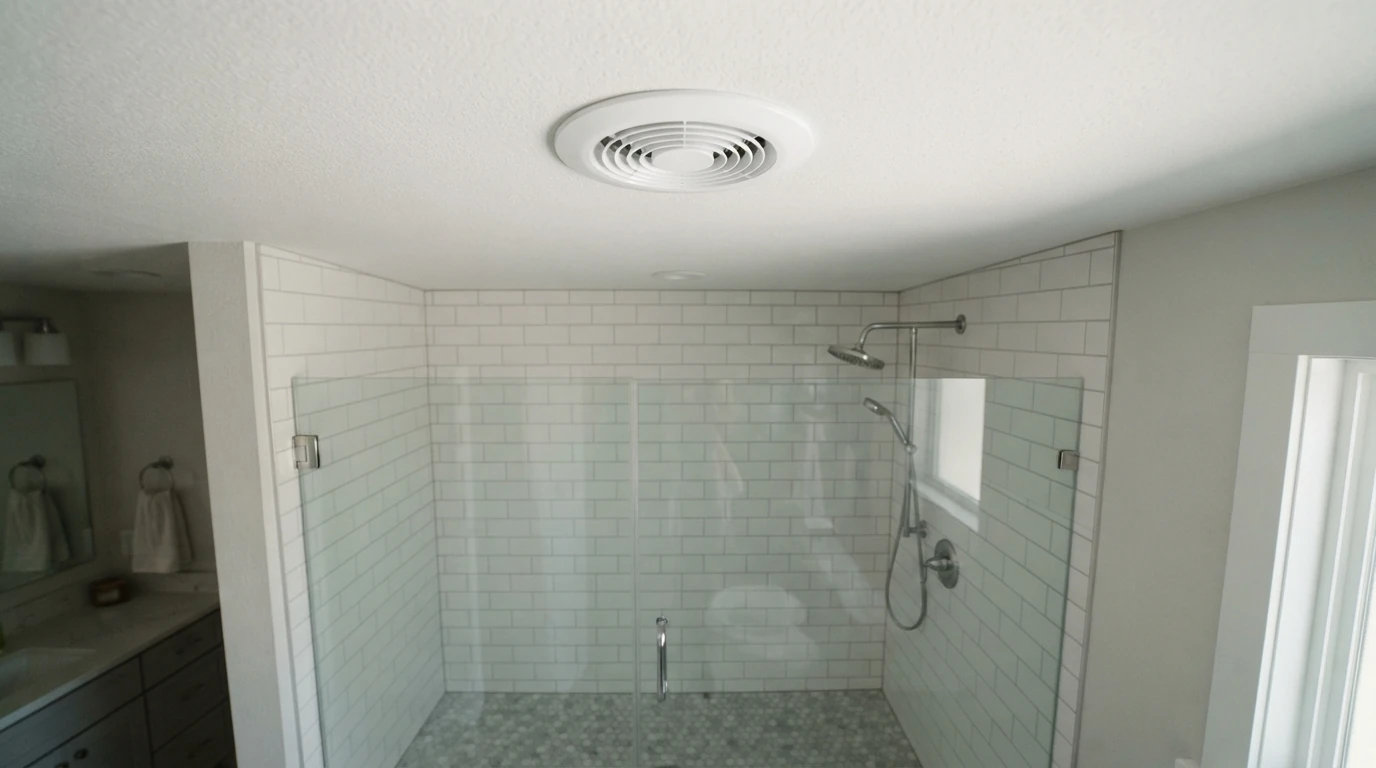
An ERV or HRV can draw its stale air from bathrooms and the kitchen area, where moisture and odors originate, and supply fresh air to bedrooms and living spaces. That layout removes moisture at the source and puts fresh air where people spend the most time. Kitchen range hoods usually stay separate, since grease should not enter the ventilator. We lay out pickup and supply points before quoting so the design matches the house, and show you each location on a floor plan.
Filter and Core Maintenance
Ventilators have filters on both air streams and a core that needs periodic cleaning. Clogged filters reduce airflow and let the unit run without actually ventilating. We show you how to check and replace the filters, how often, and how to remove and clean the core, and we can add the ventilator to a seasonal maintenance visit. See indoor air quality systems for filtration on the heating and cooling side. Spare filters are easy to order once you know the size.
Why Bridgeport houses change the approach
The American Lung Association's 2026 State of the Air report gave Fairfield County an F for ozone smog, with more than 20 high-ozone days. On those days, bringing outdoor air in through a filtered ventilator on a controlled schedule is a better option than opening windows at random, and a ventilator can be set to reduce its outdoor air on the worst days.
We service and install Carrier, Lennox, Trane, Goodman and more
How a ventilation install runs
- 1
Assess the house
Tightness, occupancy and moisture sources.
- 2
Choose ERV or HRV
Based on climate, humidity and the house.
- 3
Design
Pickups, supplies and duct routes planned.
- 4
Install the unit
Mounted with insulated ducts.
- 5
Exterior hoods
Supply and exhaust terminations placed apart.
- 6
Balance airflow
Supply and exhaust measured and matched.
- 7
Walk-through
Controls, filters and core cleaning explained.
Ventilation, ERV & HRV Systems questions from Bridgeport homeowners
Both recover heat; an ERV also transfers some moisture between air streams.
Tight or recently air-sealed homes benefit most.
It can serve bathrooms; range hoods usually stay separate.
Slightly for the fan, but it recovers most heat compared with opening windows.
Typically every few months; we show you how.
Sometimes, but dedicated ducts usually work better.
Related jobs we handle
HVAC Maintenance Plans
Fall heating and spring cooling visits booked for you.
How we handle HVAC maintenance plansHome Buyer HVAC Inspection
Pre-purchase heating, cooling and oil tank inspection.
How we handle home buyer HVAC inspectionGet steady fresh air without the heat loss
Call to book a ventilation assessment. We size and balance the system to the house.