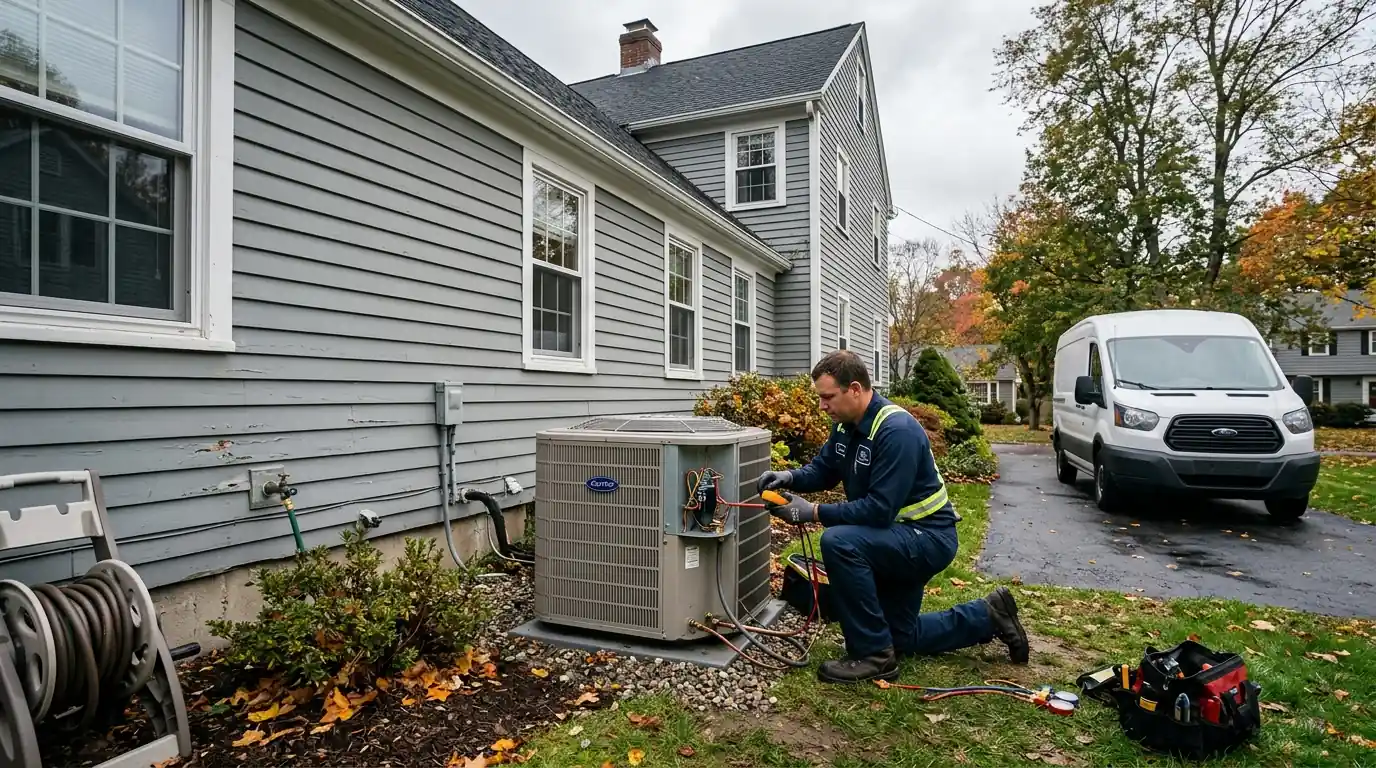
Heat pump or oil heat for a Bridgeport home: what the numbers say
What oil actually costs, what a heat pump costs to install and run here, and the cases where the switch makes sense and where it does not.
By Eleanor Boyer, HVAC Guides Editor · Updated October 2026
For most Connecticut homes heating with oil, a cold-climate heat pump costs less to run, even at the state's high electric rates. A full system typically runs about $7,500 to $17,000 before rebates, and Energize CT pays $250 per ton, up to $2,500, on the standard path. Against natural gas, a heat pump rarely wins on running cost.
How many Connecticut homes still heat with oil
Connecticut has one of the highest shares of oil heat in the country. Federal and census figures put it at roughly a third of households, about 34 percent, with oil use slowly declining as homes move to gas and electric heat. In an old city like Bridgeport, where a large share of housing predates 1940, oil boilers and furnaces are still common.
What oil heat costs
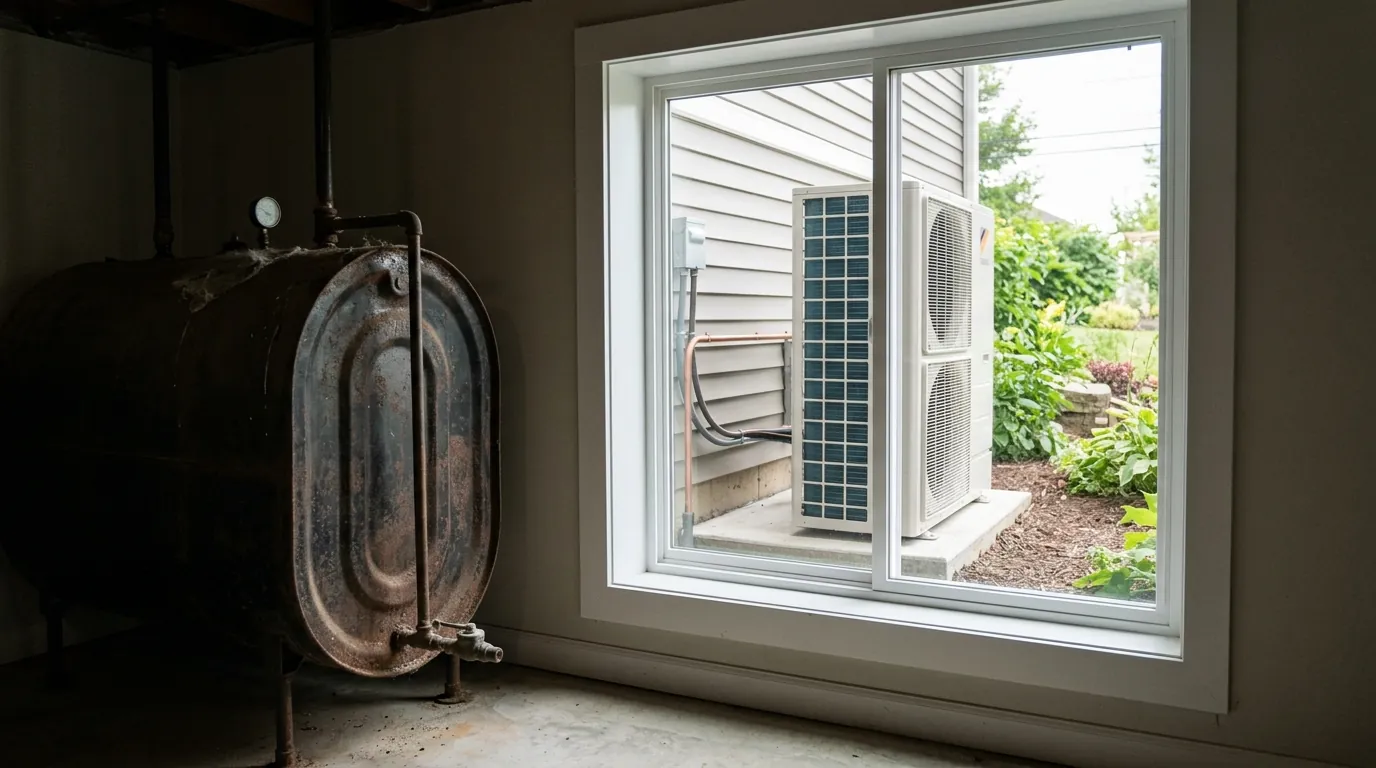
Heating oil is the most expensive major fuel for a typical Connecticut home. Federal estimates put the cost of heating a home with oil at around $1,500 for the 2023 to 2024 season, higher than any other major fuel. Oil prices also swing with the market during the heating season, which makes the bill hard to predict.
What a heat pump costs to install
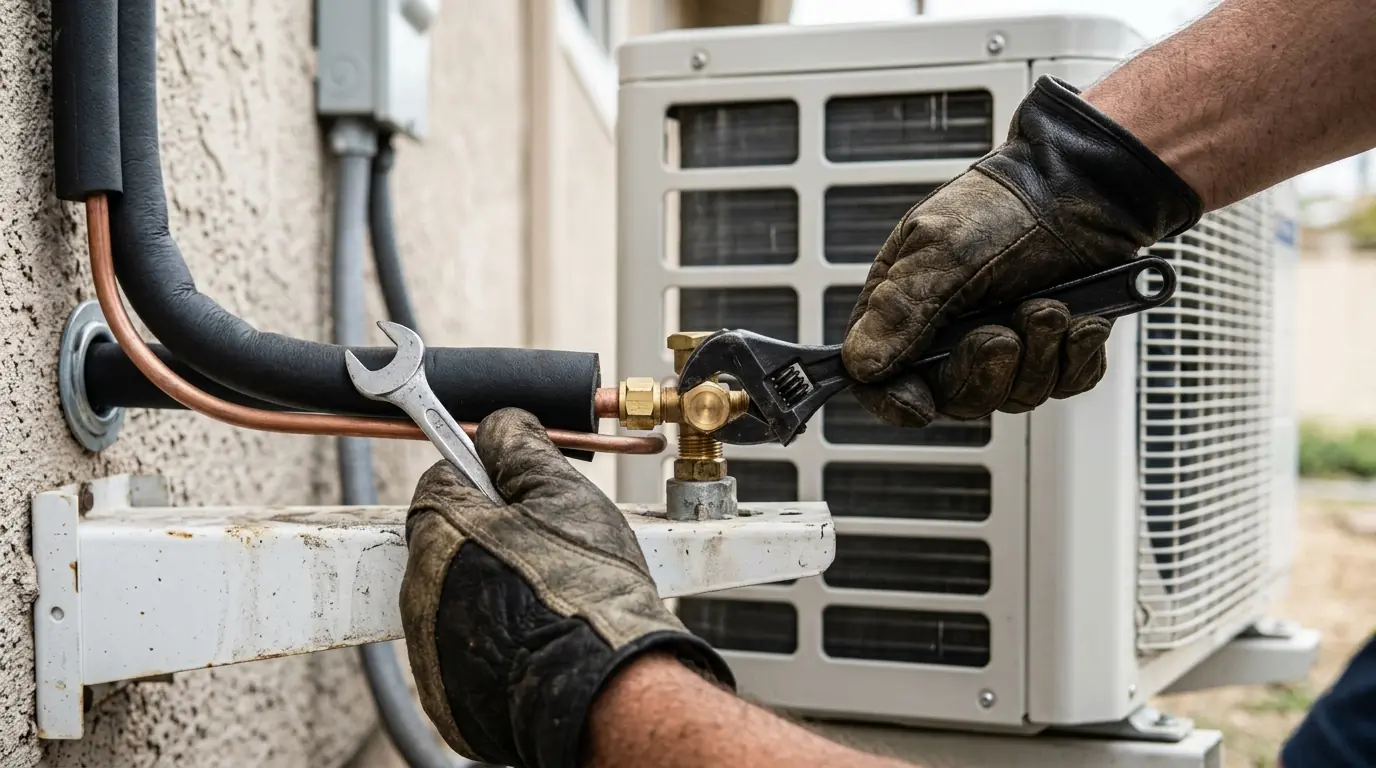
Published Connecticut ranges put a full heat pump system at about $7,500 to $17,000 before rebates, depending on capacity, whether it is ducted or ductless, and how much electrical and duct work is involved. A ducted air-source heat pump alone runs roughly $4,500 to $8,000 in national figures, before the rest of the job.
Energize CT currently offers $250 per ton on the standard path, up to $2,500, and larger Energy Optimization rebates after a home energy assessment and air sealing. The federal 25C tax credit ended on December 31, 2025, so the state program is now the main incentive. Rules and amounts change, so confirm the current program before ordering equipment.
What a heat pump costs to run here
This is where Connecticut is unusual. Residential electricity here runs about 24 to 30 cents per kWh, among the highest rates in the continental United States. Even so, a modern heat pump moves heat rather than making it, so against oil it usually still comes out ahead. Against natural gas, it rarely does at current rates.
That is the honest version: if you heat with oil, propane or electric baseboard, a heat pump likely lowers your heating bill. If you heat with gas, the case rests on adding air conditioning and on future prices, not on this winter's savings.
Will it keep the house warm in January?
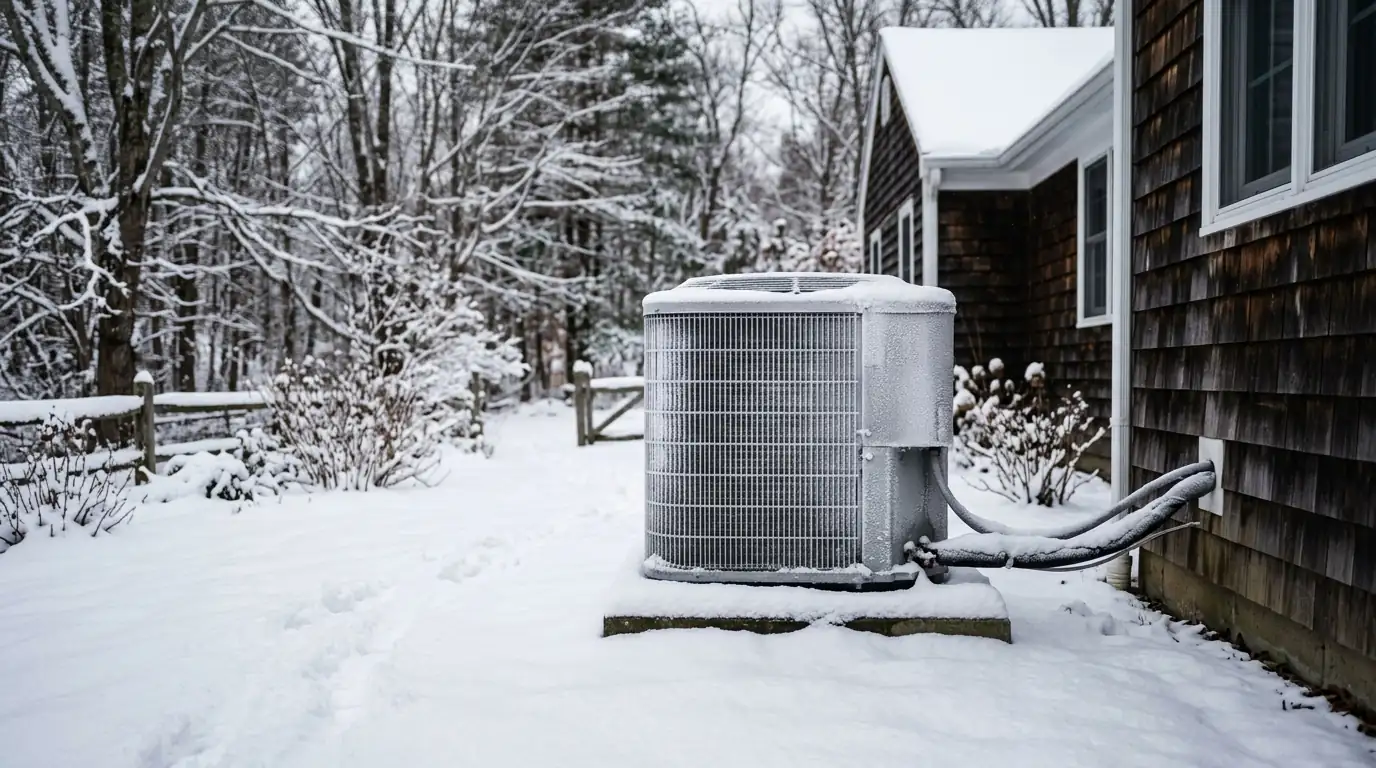
Connecticut's winter design temperature is around 5 to 10 degrees, and current cold-climate heat pumps are rated to keep producing heat well below that. In practice, comfort depends on sizing and backup heat more than on the outdoor temperature. A heat pump sized to the house, with a sensible backup plan, handles a Bridgeport winter.
Wondering what the switch would save you?
Bring last winter's oil bills and we will price a heat pump against them.
(203) 568-0715Ducted or ductless for an oil-heated house
The right heat pump depends on what the house already has. An oil furnace means ducts, and a ducted heat pump can often use them, as long as the returns are large enough for heat pump airflow. An oil boiler with radiators means no ducts, and those houses are usually better served by ductless mini splits, one indoor head per zone. See ductless mini split installation for how those layouts are planned.
Mixed approaches are common too. Some owners put mini splits on the top floor, where the boiler struggles and summers are hottest, and leave the boiler in charge downstairs.
A simple way to judge your own case
Pull last winter's oil delivery receipts and add up the gallons and the cost. That total is the number a heat pump has to beat. Then look at the house: how well it is insulated, whether it has ducts, and how much of it you actually heat. A contractor who asks for those details before quoting is estimating your savings. One who quotes without them is estimating a generic house.
Keep the oil system as backup, or remove it?
Many homeowners keep the oil boiler or furnace for the coldest days and let the heat pump carry the rest of the season. That lowers oil use sharply without going fully electric. Others remove the oil system entirely, size the heat pump for the full load and add modest electric backup. Either works. The first costs less up front and keeps a familiar backup. The second ends oil deliveries and frees the basement.
If you remove it, the tank, fill pipe and vent pipe should come out and be capped properly. See heat pump installation and oil-to-gas conversion for the two paths we see most.
More guides for Bridgeport homeowners
No Heat in Bridgeport: What to Do First
Furnace or boiler out? What to check in the first ten minutes, how to protect pipes, and when to call for.
Read the guideSteam vs Hot Water Radiators: Which Do You Have?
Steam or hot water radiators? How to tell, why it changes repairs and replacements, and what each needs in.
Read the guideEnergize CT HVAC Rebates in 2026: What Qualifies
What Energize CT pays in 2026 for heat pumps and central air, how Energy Optimization works, and what ended.
Read the guideCommon questions
Usually yes, even at Connecticut electric rates.
Rarely on the monthly bill at current rates.
Published Connecticut ranges put a full system at about $7,500 to $17,000 before rebates.
Energize CT pays $250 per ton, up to $2,500, on the standard path. The federal credit ended in 2025.
Yes. Many homes keep it as backup for the coldest days.
Cold-climate models are rated well below the 5 to 10 degree design temperature.
Compare a heat pump against your oil bills
Call with what you spent on oil last winter, and we will book an estimate with the Energize CT rebate worked in.