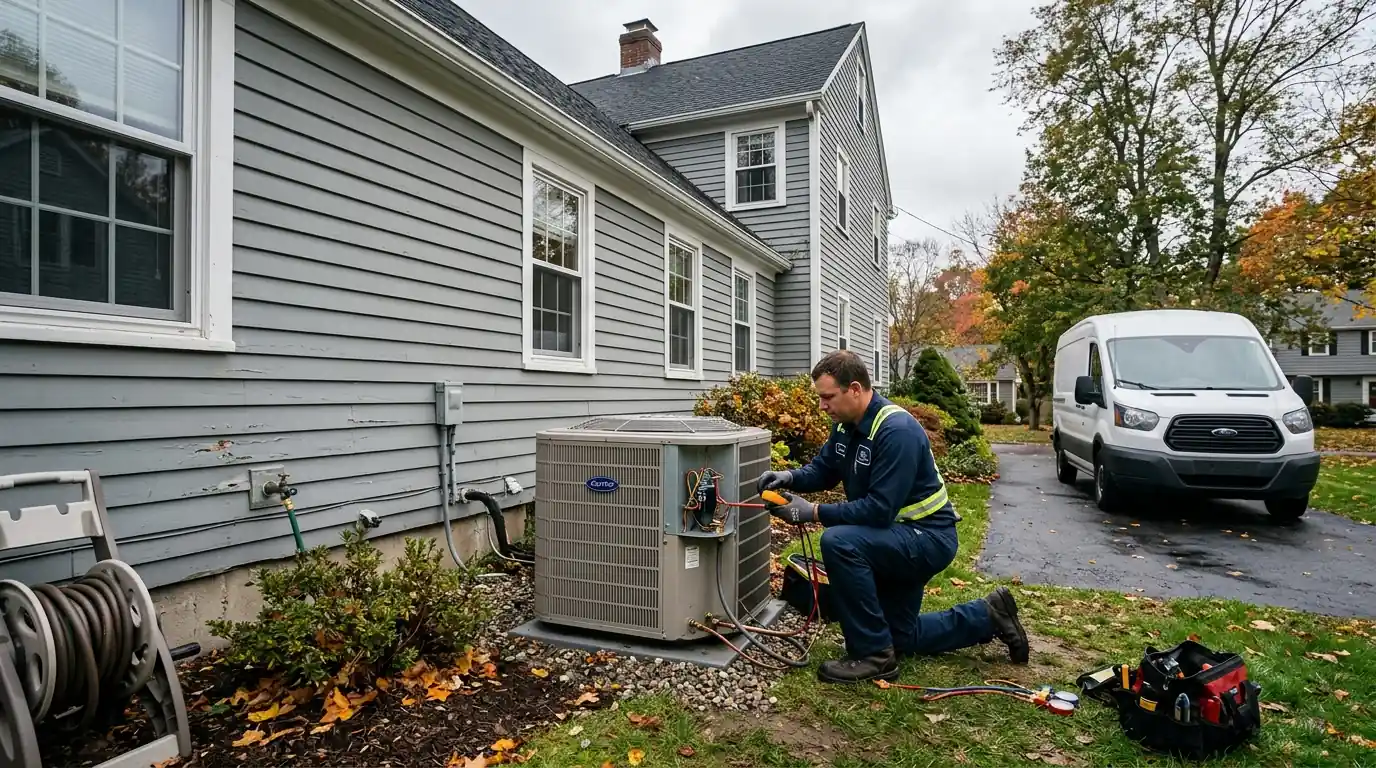
Signs your Bridgeport furnace is failing, and what each one means
The warning signs that show up weeks before a furnace quits, what each usually points to, and how to decide between repair and replacement.
By Eleanor Boyer, HVAC Guides Editor · Updated October 2026
The most common signs a furnace is failing are short cycling, a flame that lights and shuts off, rising gas or oil bills, rooms that never warm, new noises such as banging or squealing, and repeated repair calls. Most point to a specific part. A cracked heat exchanger or a pattern of failures points to replacement.
Short cycling
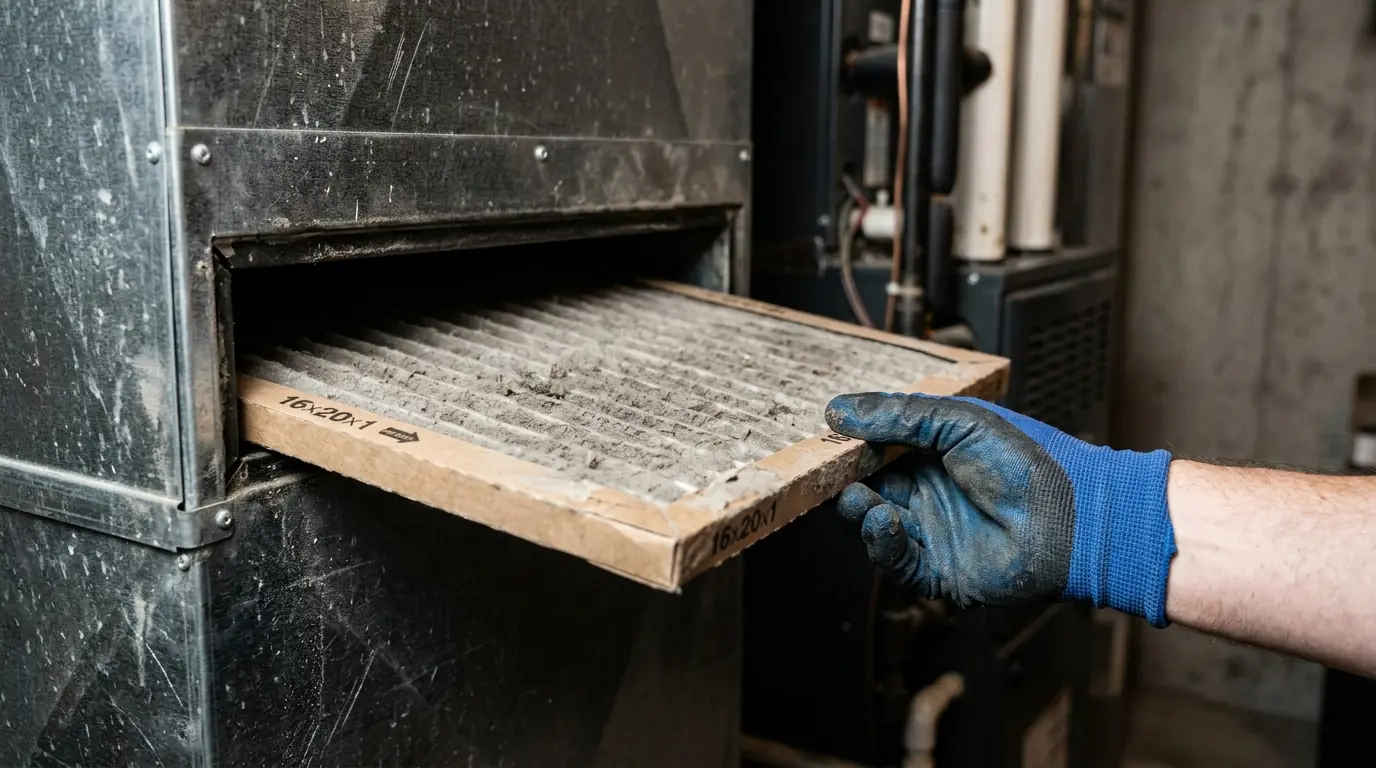
A furnace that runs a few minutes, shuts off and starts again is usually overheating and tripping its high-limit safety. The cause is almost always airflow: a clogged filter, closed registers, a weak blower or ducts too small for the furnace. It can also be an oversized furnace that satisfies the thermostat too quickly. Short cycling wears out ignitors and heat exchangers faster, so it is worth fixing rather than living with.
Lights, then shuts off
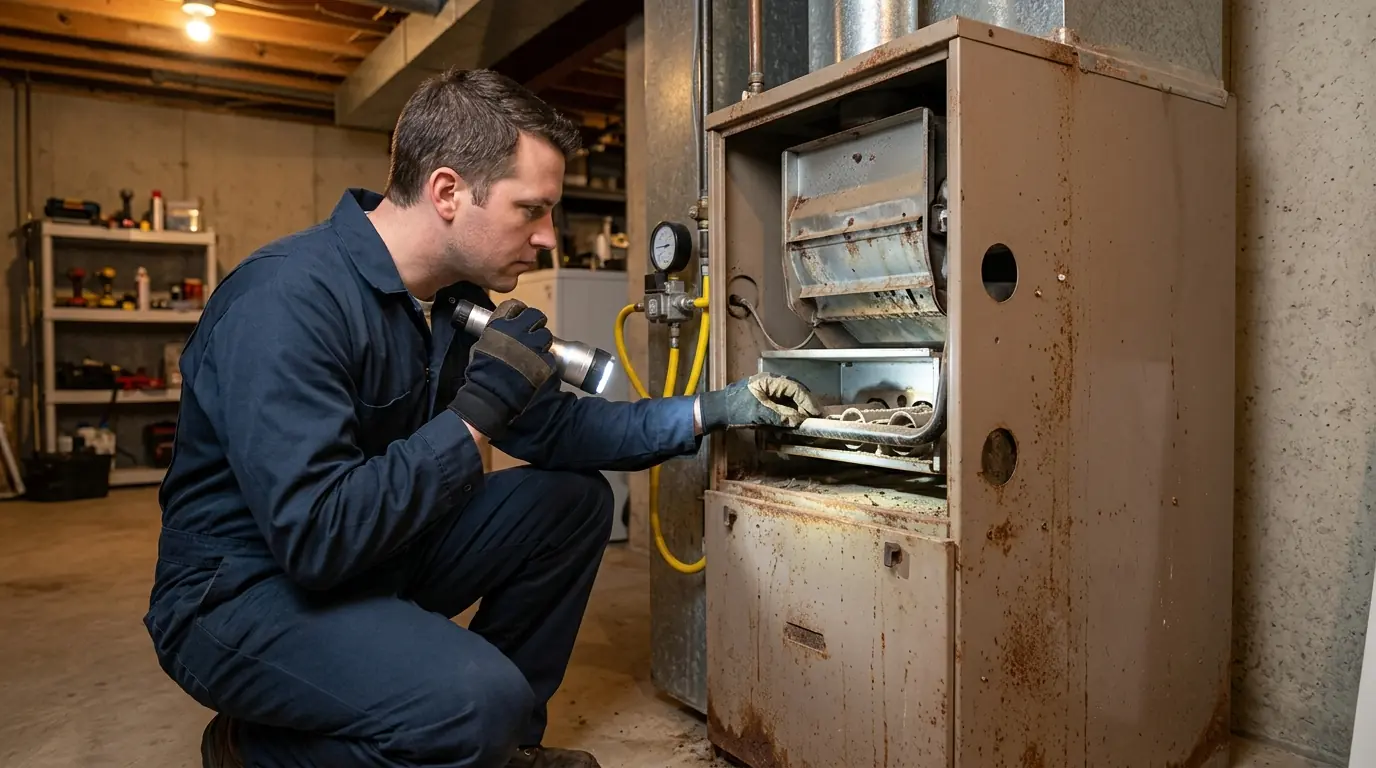
If you hear the burner light and then go out within seconds, the flame sensor is usually dirty or the ignitor is weak. The furnace is doing its job by shutting off when it cannot prove the flame. This is one of the cheapest furnace repairs, and one of the most common calls on the first cold night of the year.
Bills creeping up
Rising gas or oil bills with no change in the weather or your habits usually mean the furnace is working harder for the same heat. Dirty burners, a worn oil nozzle, a clogged filter, leaking ducts or simply age can all do it. A tune-up with a combustion test shows whether the furnace is burning efficiently, which is the fastest way to tell whether the bill is the furnace or the house.
Rooms that never warm
One cold room is usually ducts: a disconnected run in the basement, a crushed flex duct or a register closed years ago. A whole cold floor, often the second floor, points to undersized returns or a blower that cannot move enough air. Many older Connecticut houses have ducts that were never sized for the furnace they have now, which is worth checking before blaming the furnace itself.
New noises
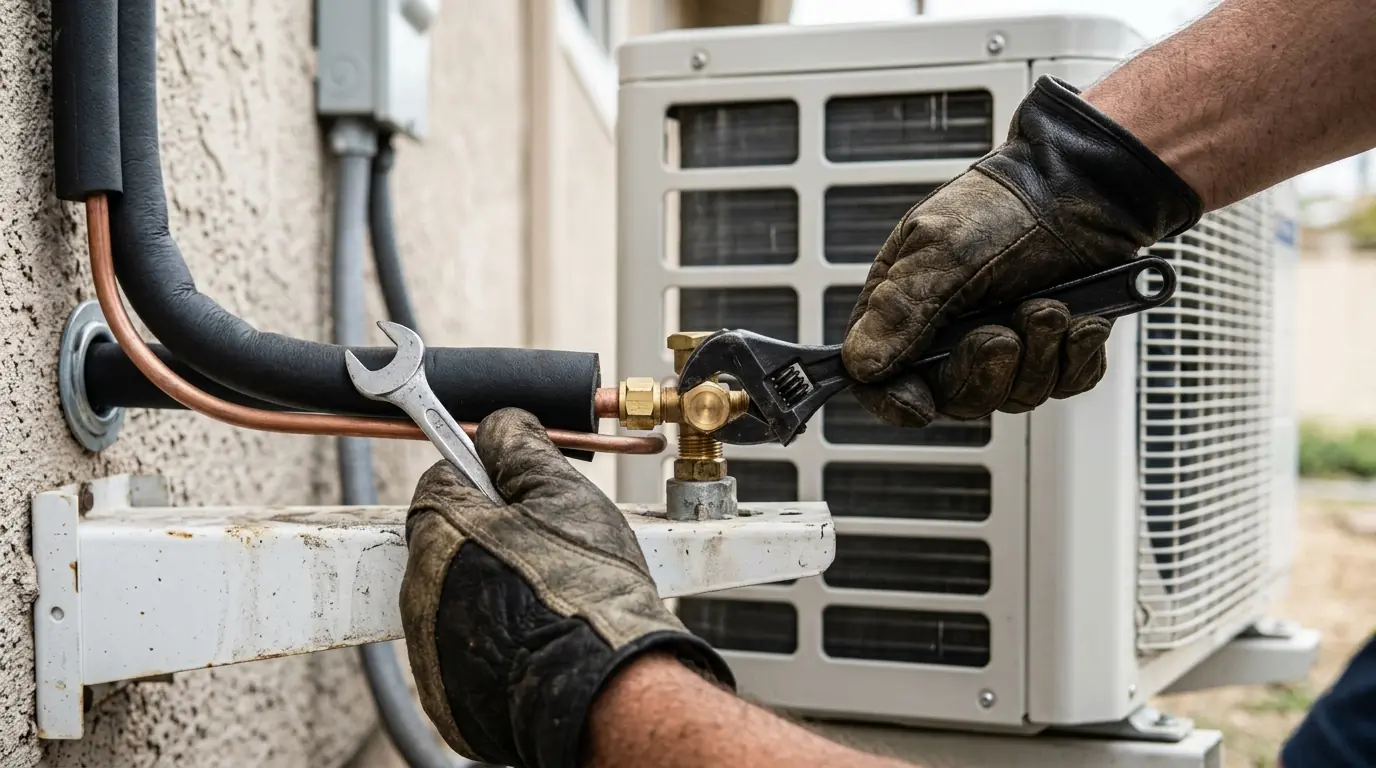
Squealing usually means a belt or blower motor bearing on older furnaces. Rattling can be a loose panel or a failing inducer motor. A loud bang when the burner lights is delayed ignition, where gas builds up before lighting, and it should be looked at promptly. Humming without the blower turning often means a failed capacitor. Each points somewhere specific, and describing the noise on the phone helps the technician bring the right part.
Seeing any of these signs?
Book a check before the cold sets in. We test first and price the repair before any work.
(203) 568-0715What a tune-up looks for
Most of these signs show up on a tune-up before they show up as a breakdown. A technician measures combustion and carbon monoxide, checks the flame sensor signal, looks at the ignitor for cracks, tests the blower capacitor and measures the temperature rise across the furnace. Those readings turn a vague sense that something is off into a specific part with a specific price.
If the furnace is otherwise healthy, those small parts are cheap to replace in October and expensive to replace at midnight in January. See furnace tune-ups for what the visit covers.
Age is a factor, not a verdict
A fifteen-year-old furnace that has been maintained can have years left. A seven-year-old furnace that was oversized and never serviced can be close to the end. Age tells you when to start paying attention, not when to replace. The condition of the heat exchanger, the repair history and the running cost matter more.
Repair or replace
A single failed part on a sound furnace is usually a repair. The balance shifts when the heat exchanger is cracked, when repairs are coming every season, or when the furnace is past roughly fifteen to twenty years and also heats unevenly or costs too much to run. Asking for the repair cost and the replacement cost side by side makes the decision clearer. See furnace repair and gas furnace installation.
Warning signs that mean stop and call
A carbon monoxide alarm, a smell of gas, soot around the furnace, a yellow or wavering flame on a gas burner, or a burning smell that does not go away after the first run of the season all mean the furnace should be turned off and checked. These are safety issues, not comfort issues, and they are worth a call at any hour.
More guides for Bridgeport homeowners
Ductless vs Central Air in Older Bridgeport Homes
Radiator heat and no ducts? How ductless mini splits, central air and high-velocity systems compare in older.
Read the guideIs an Oil-to-Gas Conversion Worth It in Connecticut?
What an oil-to-gas conversion involves, what it costs, how it compares with a heat pump, and when it makes.
Read the guideCarbon Monoxide and Your Heating System: A Winter Guide
Where carbon monoxide comes from in a heating system, where to put alarms and what to do if one sounds in.
Read the guideCommon questions
Usually restricted airflow tripping the limit switch, or an oversized furnace.
Most often a dirty flame sensor or a weak ignitor.
Many run fifteen to twenty years with regular maintenance.
It can let combustion gases into the air, so the furnace should be shut off and checked.
Repair single failures on a sound furnace; replace after a cracked exchanger or repeated failures.
It catches most of them early, before they cause a no-heat call.
Get the furnace checked before winter
Call to book a tune-up or a repair visit. We tell you what we find and what it costs before any work.